







































Academic Suspension or Dismissal in Canada: What Happens to Your Study Permit, Work Rights and PGWP?

An international student who receives an academic suspension notice may be told to sit out a semester, repeat courses or apply for readmission. Another student may be permanently dismissed from the program. Those school decisions are serious, but the word suspension alone does not reveal the student’s immigration position.
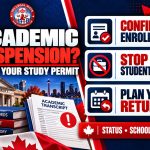
The questions that matter are more precise: Is the student still enrolled at the designated learning institution (DLI) named on the study permit? Can they take classes? Has the school approved a documented leave? On what date, if any, did enrollment end? What work, if any, remains authorized?
Consider Naomi, a fictional student who failed two courses and received a one-semester academic suspension. Her school portal continued to show an active account, and her study permit was printed with another year of validity. She assumed she could work full-time until classes resumed. The portal account and printed permit date, however, did not answer whether she remained enrolled, actively pursuing studies or eligible to work.
This guide explains the federal rules, the records to request and the questions to resolve before planning a return or a new application. It provides general public information rather than a status determination for any particular student.
Why the School’s Exact Decision Matters
Academic institutions use words such as probation, suspension, required withdrawal, dismissal, leave and readmission under their own policies. The immigration consequences depend on what the decision actually does to enrollment and studies.
| School outcome | Immigration question to resolve | Useful record |
|---|---|---|
| Academic probation while classes continue | Is the student still enrolled and making progress? | Current enrollment letter and course registration |
| One-semester suspension | Does the school maintain enrollment or end it, and has it authorized a leave? | Decision letter with effective and return dates |
| Dismissal or required withdrawal | On what date did enrollment at the named DLI end? | Formal termination or withdrawal letter |
| Successful appeal or reinstatement | What changed and when did studies resume? | Written appeal decision and new registration |
An active email account, access to campus facilities or a promise of possible readmission may exist after academic enrollment ends. Ask the registrar or international student office for a direct written statement about enrollment status, the effective date and permission to study during the interruption.
The Study Permit Rules
Section 220.1 of the Immigration and Refugee Protection Regulations generally requires a study permit holder in Canada to enroll at the DLI named on the permit, remain enrolled until completion and actively pursue the course or program. Specified exemptions exist. IRCC describes active pursuit in terms of enrollment during academic semesters, progress toward completion and limits on authorized leave. IRCC’s study permit conditions also explain that officers may ask for school records identifying when a student was suspended or dismissed.
Section 222(1) of the Regulations provides a separate validity rule: a study permit becomes invalid on the day its holder is no longer enrolled at the DLI named on the permit for a reason other than completion, if that day occurs before another listed invalidity event. Therefore, if a dismissal ends enrollment, the date printed on the permit may no longer be its effective validity date.
If a suspension does not end enrollment, the analysis is still not finished. The student must address the active-pursuit condition and any documented authorized leave. No universal rule makes every academic suspension either an automatic permit cancellation or a guaranteed 150-day break. The school’s actual action and the federal conditions both matter.
The 90-day rule after completing studies is different from a suspension or dismissal before completion. Do not use it as a general grace period after an academic discipline decision.
Can an Academic Suspension Be an Authorized Leave?
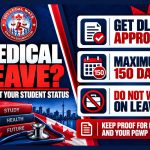
IRCC says that certain leaves of up to a maximum of 150 days may count as active pursuit when the DLI authorizes the leave and the student can provide proof. IRCC includes a school-authorized leave for medical reasons, pregnancy, family emergency or another reason the school authorizes. Review the official authorized-leave instructions.
An academic suspension letter is not automatically an authorized-leave approval. Ask the school whether it considers this particular interruption an authorized leave under its records, whether the student remains enrolled and what dates apply. A school cannot decide immigration law merely by naming a category; IRCC may assess the evidence and the circumstances.
Where a qualifying leave is available, retain:
- The school’s dated approval
- The reason and effective start date
- The planned return date
- Proof that the leave does not exceed the applicable limit
- Any later extension, cancellation or return decision
- Enrollment confirmation when studies resume
If the suspension lasts longer than 150 days, or the school will not authorize a leave, do not assume the student can remain inactive under the leave provision. Resolve the permit and status questions promptly. A later letter cannot reliably erase an unsupported period when the student did not study.
Can the Student Work During Suspension?
Usually, a student who is barred from studying should stop work that depends on student eligibility while the situation is assessed. IRCC’s off-campus work rules require, among other things, eligible full-time enrollment, a valid study permit and qualifying permit conditions. The ordinary 24-hour weekly off-campus limit while classes are in session is available only while the person meets those conditions.
IRCC expressly says a student on an authorized leave cannot work on or off campus, even if the permit contains student-work language. There is a specific exception for a temporary school closure because of a strike; that is not an academic suspension. IRCC also says a student who is changing schools and not studying cannot work off campus.
An academic suspension is not automatically a regularly scheduled school break. Being free from classes because the school prohibited registration does not turn the period into a summer or winter break with unlimited work hours.
Review campus jobs, paid placements, freelance activities and unpaid placements that count as work. If a person has a separate, independent work authorization, its terms need their own assessment. An employer’s schedule, an unexpired social insurance number or a pay stub does not establish continuing student-work permission.
Record the last authorized study and work dates. If work continued after the suspension became effective, do not alter timesheets or conceal it in a later application; seek individualized advice about the accurate disclosure.
What If the Student Is Dismissed?
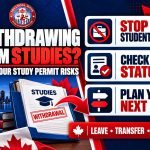
Dismissal often raises an immediate enrollment question. If the school confirms that enrollment at the DLI named on the permit ended, section 222’s invalidity provision may apply on that effective date. A possible future appeal or readmission does not by itself establish that enrollment continued throughout the gap.
Ask the school whether an appeal stays the dismissal under its policy. Some processes may leave the decision in effect pending appeal; others may change the academic record. Obtain the applicable policy and a written status letter rather than guessing from the word “appeal.”
The study permit’s validity, authorization to remain in Canada and permission to work are related but distinct. A person who has lost enrollment should assess the available immigration steps immediately, including whether to depart, whether an application from within Canada is permitted, and whether another status can be sought in time. An application for readmission alone does not confer work or study rights.
IRCC cautions in its visitor-status guidance that changing to visitor status does not simply give someone more time to extend a study or work permit; most visitors are not eligible to apply for a new study or work permit from inside Canada. Review the actual route before relying on it.
How Does School Reporting Work?
IRCC requires post-secondary DLIs covered by its student compliance reporting process to report international students’ enrollment status. IRCC says it uses the information to assess whether permit holders are meeting study conditions. Reporting is periodic, and the school can also be asked for records.
The immigration obligation exists even before a scheduled report reaches IRCC. A student should not wait for a compliance email to find out what the school recorded. Ask for the current enrollment letter, transcript, suspension or dismissal decision and any subsequent correction.
If a school record is wrong, use its formal correction or appeal process and keep the written result. Do not submit a selectively cropped screenshot while leaving contradictory records unexplained.
How Can a Student Return to Studies?
The academic route and immigration route should be planned together.
Reinstatement at the Same School
The school may require an appeal, a minimum grade, a waiting period, a revised course plan or a new admission decision. Obtain the written decision and the date registration resumes. Then check whether the person’s permit is still valid and its conditions permit the return. If enrollment ended and the permit became invalid, a newly restored school account does not automatically revive it.
Admission to Another DLI
Under IRCC’s instructions for changing schools or programs, a post-secondary student generally needs to apply to extend the study permit and receive the new permit before beginning at another DLI. Narrow exceptions allow an earlier start while an extension is being processed when all specified criteria are met. A personal academic dismissal does not itself satisfy the exceptions about a school closing, discontinuing a program, being suspended or losing designation.
The new application can require a valid letter of acceptance, an explanation and a new PAL or TAL unless exempt. Quebec students should check CAQ requirements. Confirm whether the old permit is valid and whether the student is eligible to apply from within Canada before relying on an extension process.
A New Application After a Gap
Explain the suspension honestly. A credible account may identify the academic issue, the dates, what changed and why the new program or return plan is realistic. Provide genuine transcripts and the final school decision. A new LOA does not erase a previous gap or guarantee permission to study.
What Happens to PGWP Eligibility?
The PGWP eligibility rules generally require completion of an eligible program and full-time student status in Canada during each semester, with a final-semester part-time exception. IRCC says an unauthorized leave that results in failure to meet study permit conditions may make an applicant ineligible. For a qualifying authorized leave of up to 150 days, the applicant must provide proof that the DLI authorized it.
A suspended student who has not completed a qualifying program cannot obtain a PGWP based on that unfinished program. Completing it later does not guarantee PGWP eligibility: the length and nature of the interruption, enrollment and full-time history, school and program eligibility, and other current criteria must be assessed.
Preserve records from the time of the event. These may include the suspension decision, academic appeal outcome, leave authorization, enrollment history, updated transcript, resumption letter and final completion confirmation. A generic explanation written at graduation may not establish that the interruption was an authorized leave when it occurred.
There are additional PGWP requirements concerning language and, for some graduates, field of study. Check the current program-specific rules before assuming an academically reinstated student will later qualify.
Documents to Request Immediately
Ask the registrar or international student office for a written answer to these questions:
- Is the student currently enrolled, on leave, suspended without registration, or no longer enrolled?
- What is the effective date of that status?
- Is the student allowed to register for or attend any courses during the suspension?
- Has the DLI expressly authorized a leave, and what are its dates?
- Does filing an academic appeal change the status while the appeal is pending?
- What are the conditions and earliest date for reinstatement?
- What will appear on the transcript and enrollment letter?
- Has a previous status entry been corrected, and can the school confirm the correction in writing?
Keep the study permit, all versions of school notices, proof of registration, transcript, appeal submissions, return plan and work records together. The important facts should form one consistent timeline.
Common Mistakes
Assuming “Suspended” Always Means “Still Enrolled”
Schools use the label differently. Confirm the enrollment record and effective date.
Assuming an Appeal Suspends the School’s Decision
An appeal may or may not change the operative academic status. Ask for a written statement.
Working Through the Interruption
A scheduled class break and a suspension are not the same. Student work conditions must still be met, and work during an authorized leave is generally prohibited.
Treating the 150-Day Rule as an Automatic Grace Period
The relevant leave must be authorized and documented. The limit does not automatically protect an unsupported suspension or dismissal.
Trusting the Date Printed on the Permit
Section 222 may invalidate the permit earlier if enrollment at the named DLI ends before completion.
Hiding the Academic Record
A truthful explanation and genuine school documents are more useful than an unexplained gap or a contradictory transcript.
A 101 Legal Ways Educational Example
After reading 101 Legal Ways guides, Naomi requested a registrar’s letter. It confirmed that her suspension took effect on a specific date and prevented course registration. Her school had not approved an authorized leave. She stopped work based on student status and sought advice about the validity of her permit and options to remain or leave Canada.
Naomi appealed under the school’s rules and kept the appeal decision, updated enrollment letter and new course registration. She did not assume that the appeal or a possible return next semester automatically protected the intervening period. Before any future PGWP application, she planned to disclose and document the full study history.
Naomi is fictional and is not a real client. The example does not guarantee a permit, status or PGWP outcome. It shows the value of identifying the exact school decision before relying on student permissions.
101 Legal Ways provides practical public education about Canadian laws and immigration procedures. Its guides help readers understand official requirements, preserve evidence and ask better questions before taking important steps.
Four Actionable Takeaways
- Get the school’s status in writing. Ask whether enrollment continues and request the effective suspension, dismissal, leave and reinstatement dates.
- Check permit validity and stop unauthorized work. A printed expiry date or campus job does not establish permission to work through a period without eligible studies.
- Document any real authorized leave. Obtain school approval with dates; the 150-day provision is conditional, and student work generally stops during leave.
- Plan the return under both sets of rules. Reinstatement, a new school and a future PGWP each require their own academic and immigration checks.
Final Thoughts
An academic suspension is a school decision that can affect several immigration rules at once. The decisive facts are often found in a few records: the school’s enrollment classification, effective date, any authorized leave, the appeal outcome and the date studies actually resume.
If enrollment ends before completion, the study permit may become invalid under section 222 even though a later date is printed on it. If enrollment continues, the active-pursuit and work conditions still require attention. Students should document the actual decision promptly and use the current IRCC instructions before working, staying inactive or enrolling elsewhere.
Official Government Sources
- Department of Justice Canada: Immigration and Refugee Protection Regulations, section 220.1
- Department of Justice Canada: Immigration and Refugee Protection Regulations, section 222
- IRCC: Study permit conditions and authorized leave
- IRCC: Working off campus
- IRCC: Changing schools or programs
- IRCC: PGWP eligibility
- IRCC: Student compliance reporting
- IRCC Help Centre: Changing status to visitor
Legal Disclaimer
This article provides general public legal and immigration information only. It is not legal advice and does not create a lawyer-client or consultant-client relationship. A school’s exact enrollment records and each person’s immigration history can change the analysis. Consult IRCC, the school or an authorized Canadian immigration professional for advice about a particular case. Information reviewed September 23, 2026.